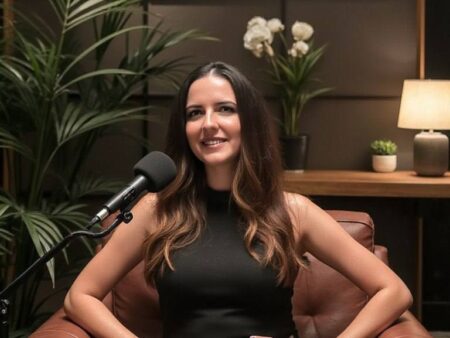
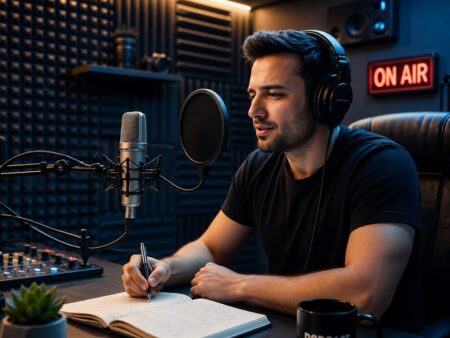
The audio podcast has become one of the most powerful and personal media formats in existence. From true crime thrillers to business masterclasses, comedy conversations to deep-dive history lessons — the audio podcast delivers compelling content directly into the ears of listeners around the world, fitting seamlessly into the moments of daily life that other media formats cannot reach. Commuting, exercising, cooking, cleaning — the audio podcast turns otherwise passive time into rich, meaningful listening experiences.
Whether you are a listener trying to understand what makes podcasting so compelling, or a creator ready to launch your own show, this complete guide covers everything you need to know about the audio podcast — its history, its unique strengths, how to get started, how to grow, and how to build something that lasts.
What Is an Audio Podcast?
An audio podcast is a digital audio program made available for streaming or download through the internet, typically released in episodes and structured around a consistent theme, format, or host. Unlike traditional radio, an audio podcast is available on demand — listeners can access it whenever they want, pause and resume freely, skip back or forward, and subscribe to receive new episodes automatically as they are released.
The format first emerged in the early 2000s as a way for independent creators to distribute audio content without the gatekeeping infrastructure of traditional broadcast radio. Today, with well over five million active podcasts available across platforms like Apple Podcasts, Spotify, and Amazon Music, the audio podcast has grown into a mainstream medium with a global audience in the hundreds of millions.
For expert reviews and recommendations across every genre of podcasting, Podcast Cola Reviews is your go-to resource for discovering the best audio podcast content available today.
Why the Audio Podcast Format Continues to Dominate
Video content has exploded. Short-form social media has consumed enormous amounts of attention. Written content continues to compete fiercely for readers. And yet the audio podcast has not only survived but thrived through every wave of media disruption. Here is why the format continues to grow in relevance and audience size:
It Fits Into Life Without Interrupting It
The most fundamental advantage of the audio podcast over every other media format is its relationship with multitasking. You cannot watch a video while driving. You cannot read an article while working out. But you can listen to an audio podcast during almost any activity that does not require your full auditory attention. This unique property of the format means it does not compete for time that would otherwise be spent on content — it fills time that would otherwise be spent in silence.
The Intimacy of Voice
There is a psychological intimacy to voice that no other media format replicates. When you listen to the same audio podcast host week after week, you develop a parasocial relationship that feels genuinely personal — like spending time with a trusted friend or mentor. This intimacy is what drives the extraordinary listener loyalty that podcast audiences are famous for, and it is why podcast advertising consistently outperforms other digital advertising formats in terms of listener response and conversion rates.
Low Barrier to Entry for Creators
Starting an audio podcast has never been more accessible. A decent USB microphone, a quiet room, free recording software, and a podcast hosting account — that is genuinely all you need to publish a professional-sounding show. This low barrier to entry has democratized audio content creation in a way that has produced extraordinary diversity of voices, topics, and perspectives across the medium.
Deep, Long-Form Engagement
The average audio podcast episode is between twenty and sixty minutes long — a listening commitment that no other digital media format regularly asks of its audience. And yet podcast listeners routinely complete full episodes, listen to back catalogs of hundreds of episodes, and describe their favorite shows as essential parts of their daily routine. This depth of engagement is almost unparalleled in modern media.
Types of Audio Podcasts
The audio podcast format is broad enough to encompass an extraordinary range of content styles and genres. Understanding the main categories helps both listeners find what they love and creators choose a format that suits their strengths.
Interview Podcasts
The interview format is the most common structure in podcasting. A host or pair of hosts invites guests — experts, celebrities, entrepreneurs, academics, artists — for extended conversations on topics relevant to the show’s theme. Interview-format audio podcast shows benefit from the natural variety that different guests bring to each episode and from the credibility transfer that occurs when respected figures associate themselves with the show.
Solo or Monologue Podcasts
Solo podcasts feature a single host delivering content directly to the audience — sharing expertise, telling stories, offering opinions, or walking through frameworks and ideas. The solo audio podcast format requires the most from the host in terms of preparation and performance, but it also creates the most direct and intimate connection between creator and audience.
Co-Hosted Conversation Podcasts
Two or more hosts with genuine chemistry discussing topics relevant to their shared audience is a format that produces some of the most naturally engaging content in podcasting. The banter, disagreement, and complementary perspectives of a well-matched co-hosted audio podcast create a listening experience that many audiences find more entertaining and energizing than either interview or solo formats.
Narrative and Storytelling Podcasts
Narrative podcasts — whether true crime, investigative journalism, or fictional audio drama — represent the highest production ceiling in the format. The best narrative audio podcast productions rival prestige television in their storytelling sophistication, production quality, and emotional impact. Shows like Serial, S-Town, and Limetown have demonstrated what audio storytelling can achieve when serious resources and craft are applied to the medium.
Educational and Explainer Podcasts
Educational podcasts break down complex topics — history, science, philosophy, economics, technology — into accessible, engaging audio content. This format has produced some of the most consistently listened-to shows in the medium, because listeners who are hungry to learn are among the most devoted and loyal audiences in all of podcasting.
News and Current Affairs Podcasts
Daily news briefings, weekly political analysis, and long-form investigative journalism have all found powerful homes in the audio podcast format. For many listeners, podcasts have partially or completely replaced traditional news radio as their primary source of current events coverage.
How to Start an Audio Podcast: Step by Step
If you are ready to launch your own audio podcast, here is the complete process from initial concept to published episode:
Step 1: Define Your Concept and Audience
Every successful audio podcast starts with clarity about two things — what the show is about and who it is for. Your concept should be specific enough to attract a defined audience but broad enough to sustain ongoing content production. Avoid the common mistake of trying to appeal to everyone — the most successful podcasts serve a specific listener with specific interests and needs, and they do it better than any other show in their category.
Step 2: Choose Your Format and Episode Length
Decide whether your audio podcast will be interview-based, solo, co-hosted, narrative, or a combination. Choose an episode length that suits your content and your audience’s listening habits — there is no universally correct answer, but consistency matters enormously. Whatever length you choose, stick to it reliably so your audience knows what to expect.
Step 3: Get Your Equipment
You do not need an expensive studio to produce a great-sounding audio podcast. A quality USB condenser microphone — the Audio-Technica AT2020 USB, the Blue Yeti, or the Rode NT-USB are all excellent choices at different price points — recorded in a quiet, acoustically treated space will produce professional-quality audio that listeners will respect. Add a pair of closed-back headphones for monitoring during recording and a pop filter to control plosive sounds, and you have a complete recording setup.
Step 4: Choose Your Recording and Editing Software
Audacity is a free, powerful option for recording and editing your audio podcast on Windows or Mac. GarageBand is excellent and completely free for Mac users. Adobe Audition and Descript are premium options that offer more sophisticated features, with Descript in particular offering a revolutionary text-based editing workflow that many podcasters find dramatically faster than traditional timeline editing.
Step 5: Select a Podcast Hosting Platform
Your audio podcast needs a hosting platform that stores your audio files and generates the RSS feed that distributes your show to Apple Podcasts, Spotify, and all other podcast directories. Buzzsprout, Libsyn, Podbean, Transistor, and Anchor (now Spotify for Podcasters) are all popular options at various price points and feature levels. Choose a platform that fits your current budget and has clear upgrade paths as your show grows.
Step 6: Record and Edit Your First Episodes
Before launching your audio podcast, record at least three episodes so that new listeners who discover your show have immediate content to binge. Edit each episode carefully — remove long pauses, stumbles, and off-topic tangents, but resist the temptation to over-produce. Some natural imperfection makes an audio podcast feel more human and authentic.
Step 7: Design Your Cover Art
Your podcast cover art is your primary visual marketing asset — it appears in every podcast directory and app, and it is often the first thing a potential listener sees before deciding whether to click. Invest in professional cover art that communicates your show’s personality and genre at a glance. Podcast directories require square images at 3000×3000 pixels in JPG or PNG format.
Step 8: Publish and Distribute
Once your hosting platform is set up and your first episodes are uploaded, submit your RSS feed to Apple Podcasts, Spotify, Google Podcasts, Amazon Music, and any other directories relevant to your audience. This process typically takes a few days for approval and then your audio podcast will be live and discoverable worldwide.
Growing Your Audio Podcast Audience
Publishing great episodes consistently is the foundation of podcast growth, but it is rarely sufficient on its own in a marketplace with millions of competing shows. Here are the most effective strategies for building and growing your audio podcast audience:
SEO-Optimized Show Notes
Publish detailed, keyword-rich show notes for every episode on your podcast website. These written pages are what search engines index, and they are often how new listeners discover your audio podcast for the first time through Google searches. Include full episode transcripts for maximum SEO impact.
Consistent Cross-Promotion
Share every episode across your social media channels, email newsletter, and any online communities where your target audience gathers. Create short audiogram clips — animated waveform videos with a highlight quote — specifically designed for Instagram Reels, TikTok, and YouTube Shorts, where short-form audio-visual content performs strongly.
Guest Swaps and Cross-Promotions
Appearing as a guest on other podcasts in your niche, and inviting those hosts to appear on your show, is one of the most effective audience growth strategies available to audio podcast creators. Audience sharing between shows with overlapping listener bases consistently drives meaningful subscriber growth for both parties.
Build an Email List
Your email list is the most valuable owned audience asset you can build around your audio podcast. Unlike social media followers or podcast subscribers, email subscribers can be reached directly, without algorithmic interference, every time you have something important to share. Start building your list from your very first episode.
Ask for Reviews and Ratings
Positive reviews and high ratings in podcast directories improve your show’s visibility in search results and in algorithmic recommendations. Ask your listeners for reviews directly in your episodes — a simple, genuine ask at the end of a strong episode consistently drives review volume for growing audio podcast shows.
Monetizing Your Audio Podcast
Once your audio podcast has built a meaningful audience, several monetization pathways become available. The most common and proven options include sponsorships and advertising, listener support through platforms like Patreon or Supercast, premium subscription tiers with bonus content, live events, merchandise, online courses, and consulting or coaching services built around the expertise demonstrated through your podcast content.
The key to successful podcast monetization is building a genuine relationship with your audience before asking anything of them financially. Listeners who trust and value your audio podcast deeply are far more likely to support you through any monetization channel than audiences who have only a superficial relationship with your content.
For comprehensive professional support with podcast production, promotion, and monetization strategy, Podcast Cola offers expert services designed to help serious creators build shows that grow, earn, and endure long-term.
The Future of the Audio Podcast
The audio podcast medium continues to evolve rapidly. Dynamic ad insertion technology is making podcast advertising more sophisticated and measurable. Subscription and premium content models are creating new revenue opportunities for creators. AI-powered tools are accelerating production workflows and enabling new forms of content personalization. Spatial audio technology is opening new creative possibilities for immersive storytelling.
Through all of these changes, the core appeal of the audio podcast remains unchanged — the intimate power of a human voice, telling a compelling story or sharing valuable knowledge, directly into the ears of a willing and engaged listener. That fundamental human connection is what has driven the medium’s growth and what will sustain it long into the future.
Final Thoughts: The Audio Podcast Opportunity Is Still Wide Open
Despite five million shows and counting, the audio podcast landscape remains remarkably open to new voices with genuine perspectives and real value to offer their audiences. The shows that succeed are not necessarily the ones with the biggest budgets or the most famous hosts — they are the ones that serve a specific audience with consistency, authenticity, and genuine care for their listeners’ time and attention.
If you have been thinking about starting an audio podcast, the best time to begin is now. The tools are better than ever, the audience is larger than ever, and the opportunity to build something meaningful has never been more accessible. Start today, stay consistent, and keep improving — and your show will find the audience it deserves.
For expert podcast production and promotion support that accelerates your growth from day one, Podcast Cola is the partner serious podcasters trust. And for the best audio podcast reviews and recommendations across every genre, make sure to explore Podcast Cola Reviews — your essential guide to the podcasting world.